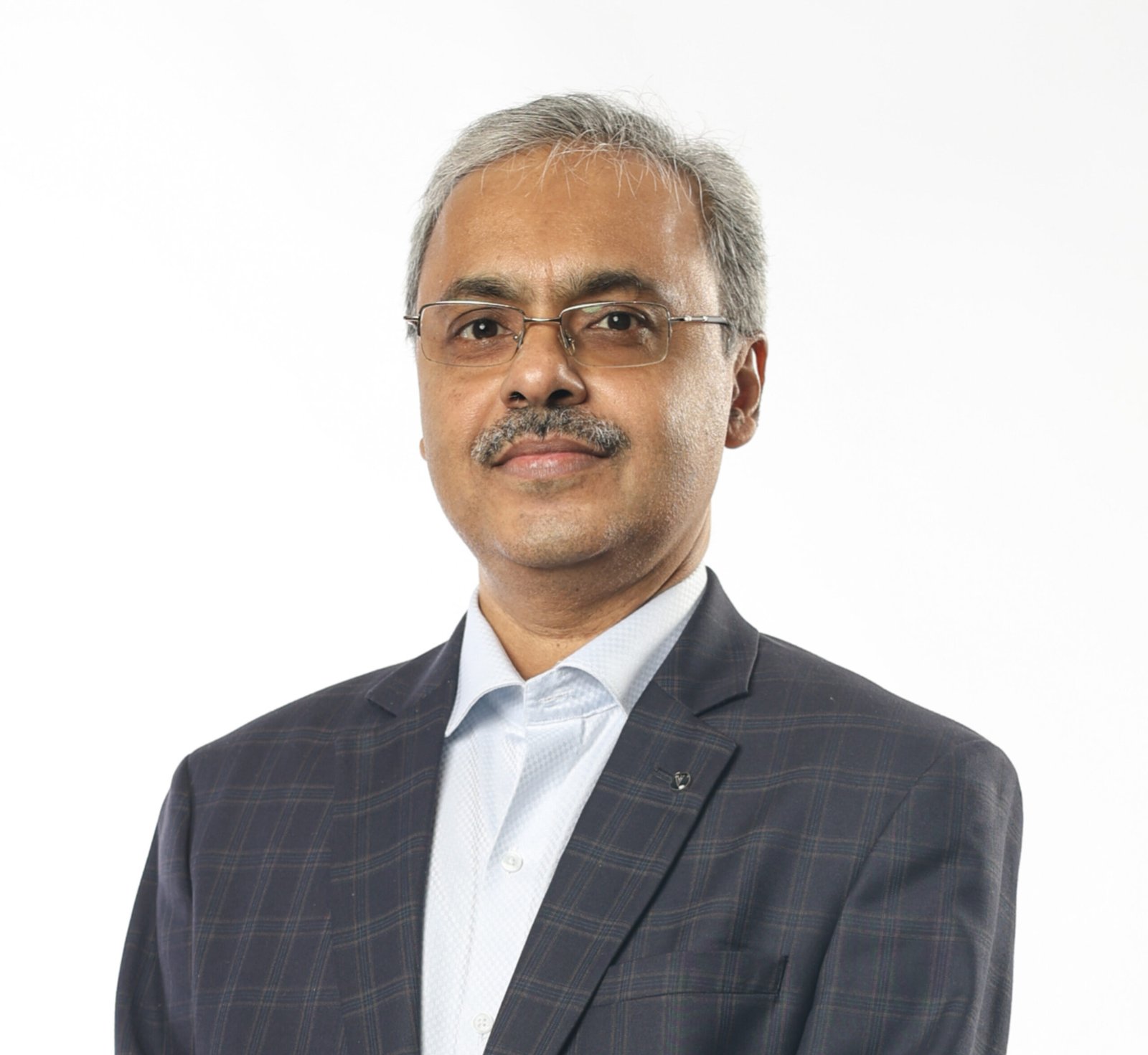
By Gautam Kapadi, CEO, Luke Coutinho Holistic Healing Systems (LCHHS)
For years, corporate culture has celebrated output: the targets met, the late nights worked, the launches delivered, the scale achieved. In that pursuit, many professionals learned to ignore the body’s signals. Poor sleep became normal. Stress became part of the job. Meals were rushed. Movement was postponed. Emotional exhaustion was handled quietly.
We are now seeing the cost of that approach.
In our work with professionals and leaders, a familiar pattern often shows up. A person may be doing well on paper, but their body is telling a different story: disturbed sleep, acidity, headaches, anxiety, cravings, weight gain, irritability, fatigue, or a constant sense of being wired but tired. These are not always isolated health issues. Very often, they are signs that the way people work, recover, eat, sleep, and handle stress is no longer supporting them.
This is where the conversation around corporate wellness needs to mature.
Wellness cannot remain a yearly health check-up, a one-off yoga session, a motivational talk, or a gym membership added to an employee benefits list. These can be useful, but they do not create culture by themselves. A healthier workplace is built when wellbeing becomes part of how an organization thinks about performance, leadership, communication, recovery, and daily work rhythms.
The business case is also becoming harder to ignore. According to the World Health Organization, depression and anxiety account for an estimated 12 billion lost working days every year, costing the global economy around US$1 trillion annually in lost productivity.
This does not mean every workplace stressor becomes a clinical condition, and it should not be used to create fear. It simply reminds us that mental and emotional health at work have real human and economic consequences.
The real shift is from wellness as a perk to wellness as prevention.
A preventive workplace looks at the foundations of human health: food and nutrient synergy, movement, deep sleep, emotional wellbeing, stress regulation, recovery, the work environment, and breath. When these foundations are repeatedly compromised, performance may continue for some time, but it becomes forceful. People push through. They compensate. They use caffeine, willpower, late nights, and adrenaline. Eventually, the body asks to be heard.
Sustainable performance is different. It comes from people who are rested enough to think clearly, nourished enough to stay steady, emotionally supported enough to collaborate well, and regulated enough to make better decisions under pressure.
Another mistake organizations make is assuming that information alone changes behavior. Most employees already know they should eat better, sleep earlier, move more, and manage stress. The harder part is consistency. For that, people need systems, accountability, supportive leadership, and an environment where healthier choices are not treated as an inconvenience.
This is where leadership becomes central.
Culture is not created by posters or policies alone. It is created by what leaders repeatedly model and allow. If late-night emails are rewarded, if boundaries are quietly punished, if exhaustion is mistaken for dedication, and if people feel unsafe speaking honestly, then wellness remains cosmetic. No program can fully compensate for a culture that continues to glorify depletion.
Forward-looking organizations are beginning to understand this. They are moving from reactive healthcare to preventive, lifestyle-focused support. Instead of waiting for burnout, absenteeism, or lifestyle conditions to surface, they are investing in early awareness, emotional support, manager education, healthier work rhythms, and practical habit-building.
This becomes even more important in hybrid and digital workplaces. Flexibility has helped many people, but it has also blurred boundaries. Some employees move less, eat irregularly, remain constantly available, and spend most of the day in front of screens. The workplace has changed, but the human body still needs rhythm, rest, sunlight, movement, connection, and recovery.
Technology will have a role in the future of corporate wellness. Apps, trackers, data, and digital platforms can improve access and awareness. But lasting change still needs human connection. People need coaching, empathy, trust, and accountability. They need to feel seen not just as resources, but as human beings with bodies, emotions, responsibilities, and limits.
The new corporate culture is not about reducing ambition. It is about making ambition sustainable.
The companies that will attract and retain strong talent will not only be the ones offering better compensation. They will be the ones where people can grow without steadily losing their health in the process.
A healthier workforce is not just good for employees. It supports better decision-making, stronger retention, clearer leadership, improved collaboration, and long-term business resilience.
Healthy people build healthier companies. That is where the future of work has to move.