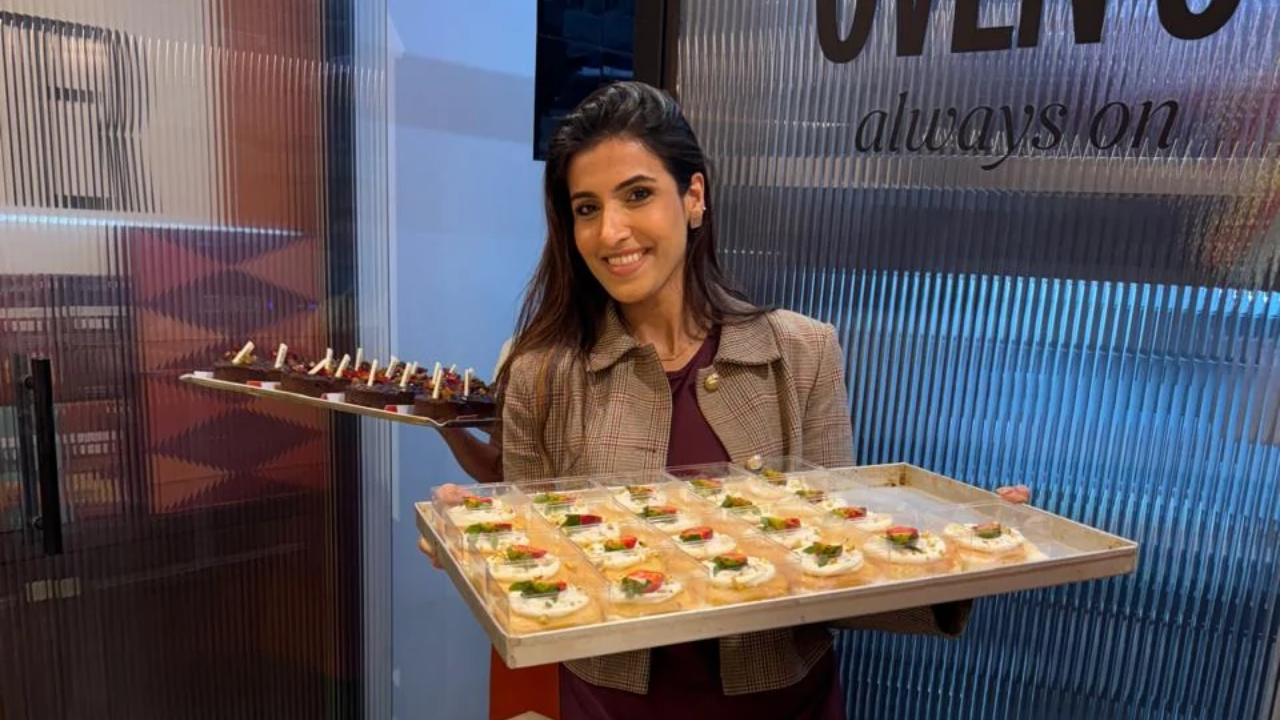
By Roshni Sayyed, Founder – ZARO BAKEHOUSE
Mumbai has always had a relationship with food that is shaped by the pace of the city. People eat between meetings, pick up breakfast on their way to work, meet over coffee, grab something on their way home and often discover their favourite neighbourhood spots through repeated visits rather than planned outings. As the city’s café culture continues to evolve, I believe we will see greater relevance for smaller, more focused café formats that cater to these everyday consumption habits.
For years, the café experience has largely been associated with spending time. Comfortable seating, elaborate interiors, expansive menus and experiential dining have played a significant role in how cafés establish themselves. While these formats continue to have their place, there is also a growing opportunity to build food destinations around a different proposition: convenience, consistency and a premium product offering.
This is where micro-cafés and grab-and-go formats become interesting.
The café is becoming part of the everyday routine
The way people consume food outside their homes is changing. Not every coffee needs to be accompanied by a long conversation, and not every bakery visit needs to be planned as an occasion. Sometimes, consumers just need a premium quality dessert to indulge in at their convenience. Increasingly, consumers are looking for places that can fit seamlessly into their daily schedules without compromising on what they eat or drink.
A café that offers well-made coffee, a freshly baked product and an efficient experience can become just as relevant to a consumer as a larger establishment designed around a longer visit. The value lies in being accessible, dependable and easy to return to.
For businesses, this also means understanding the different occasions that bring a customer through the door. Morning coffee, a quick breakfast, an afternoon snack, a takeaway dessert, celebrations/festive gifting, or a last-minute gifting purchase are all distinct consumption occasions. Recognising these habits can help businesses build offerings that are more closely aligned with how their customers live.
Smaller spaces, sharper propositions
A micro-café is not simply a conventional café operating out of a smaller space. The format requires a more deliberate approach to what the business offers and how it operates.
A smaller footprint naturally places limitations on seating, kitchen infrastructure, storage and the number of products that can be accommodated. However, these limitations can also encourage
greater clarity. Businesses have to be more selective about their menus, identify their strongest products and create an experience that is built around what they do best.
In a market where consumers have access to an overwhelming number of dining options, having a clear proposition matters. A focused menu can make it easier for customers to understand what a brand stands for, while allowing the business to maintain consistency across its products.
The challenge is not to offer less for the sake of offering less. It is to ensure that every product has a reason to be there.
Product quality has to do the heavy lifting
When a café is built around convenience, the product becomes its strongest differentiator. Customers may discover a space through its location, visual appeal or social media presence, but their decision to return is ultimately influenced by the quality of what they consume. In a grab-and-go format, where the experience is often shorter, the product has to leave a lasting impression.
This calls for a more deliberate approach to sourcing and product development. The use of premium ingredients, high-quality chocolates and specialised products sourced internationally can significantly influence the flavour, texture and overall experience of a dessert or baked product. For brands looking to build a distinct identity, ingredient quality cannot be an afterthought. It has to be central to the product philosophy.
At ZARO BAKEHOUSE, this approach extends to constantly exploring new flavour combinations, techniques and formats that bring a fresh perspective to familiar desserts.
Innovation, however, does not necessarily mean reinventing the entire menu. It can come from reimagining a familiar dessert, introducing an unexpected ingredient, refining a classic recipe or creating something that encourages customers to explore beyond their usual choices. The objective is to build a product range that balances quality, consistency and discovery.
For a café operating within a convenience-led format, this balance is particularly important. Customers may be making quick purchasing decisions, but that does not mean they are willing to compromise on quality. In fact, delivering an exceptional product within an accessible, everyday format can be what transforms a quick purchase into a regular habit. The strongest proposition is one where convenience brings the customer in, but the quality and distinctiveness of the product give them a reason to return.
Convenience is not just about speed
Grab-and-go is often understood purely in terms of faster service. However, convenience extends much further than the time taken to place and receive an order.
Location, accessibility, product availability, packaging, ease of ordering and the overall experience of navigating a space all contribute to convenience. A customer should be able to understand the offering quickly, make a choice easily and carry their purchase comfortably.
This also requires businesses to think differently about their operations. Menu planning, inventory management, production schedules and pricing become particularly important when working with limited space and a high dependence on product freshness. The business has to anticipate demand without compromising quality or creating unnecessary wastage.
The most successful formats will be those where convenience is built into the business model rather than treated as an additional service.
Building destinations through everyday relevance
There is a tendency to think of a destination as somewhere people travel to for a special experience. However, destinations can also be built through everyday relevance. A neighbourhood bakery that consistently delivers a product customers love can become a destination in its own right, even if the visit lasts only a few minutes.
For smaller café formats, this presents an opportunity to establish a relationship with customers that is driven by frequency rather than occasion. Instead of relying entirely on weekend footfall or special outings, businesses can become part of the rhythm of a neighbourhood.
Mumbai, with its diverse neighbourhoods and fast-moving consumer habits, offers considerable scope for this approach. The opportunity is not necessarily to create another café that looks different from the rest, but to create one that gives people a compelling reason to return.
As the café landscape becomes more competitive, I believe businesses will increasingly have to look beyond the size of their spaces and the breadth of their menus. The future of café culture may lie in how effectively brands translate quality into everyday consumption.
Ultimately, a smaller format can still create a significant experience. It simply has to understand what the customer values most and deliver it consistently.